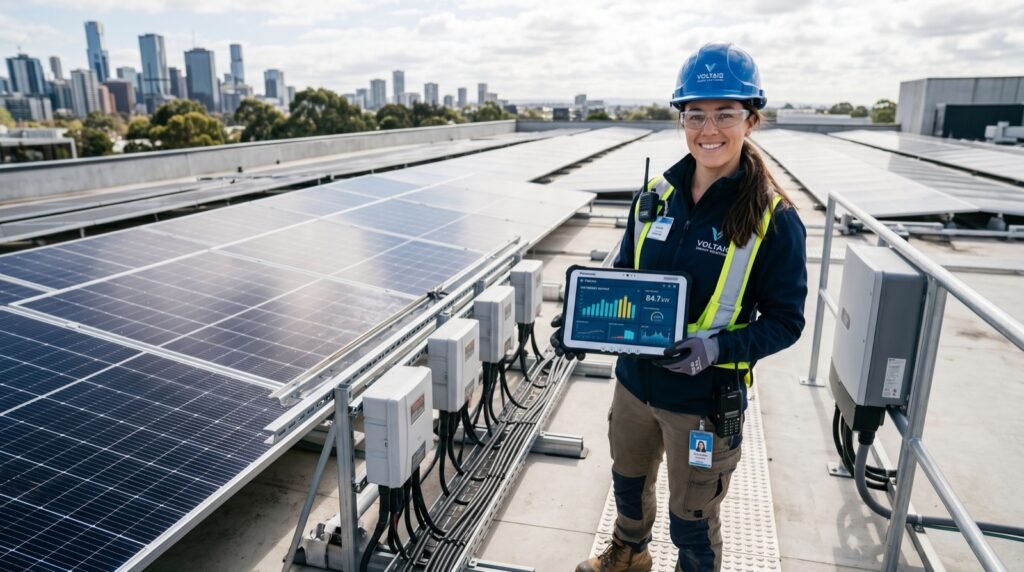
Solar Accessories in Pakistan: 8 Essentials for 2026
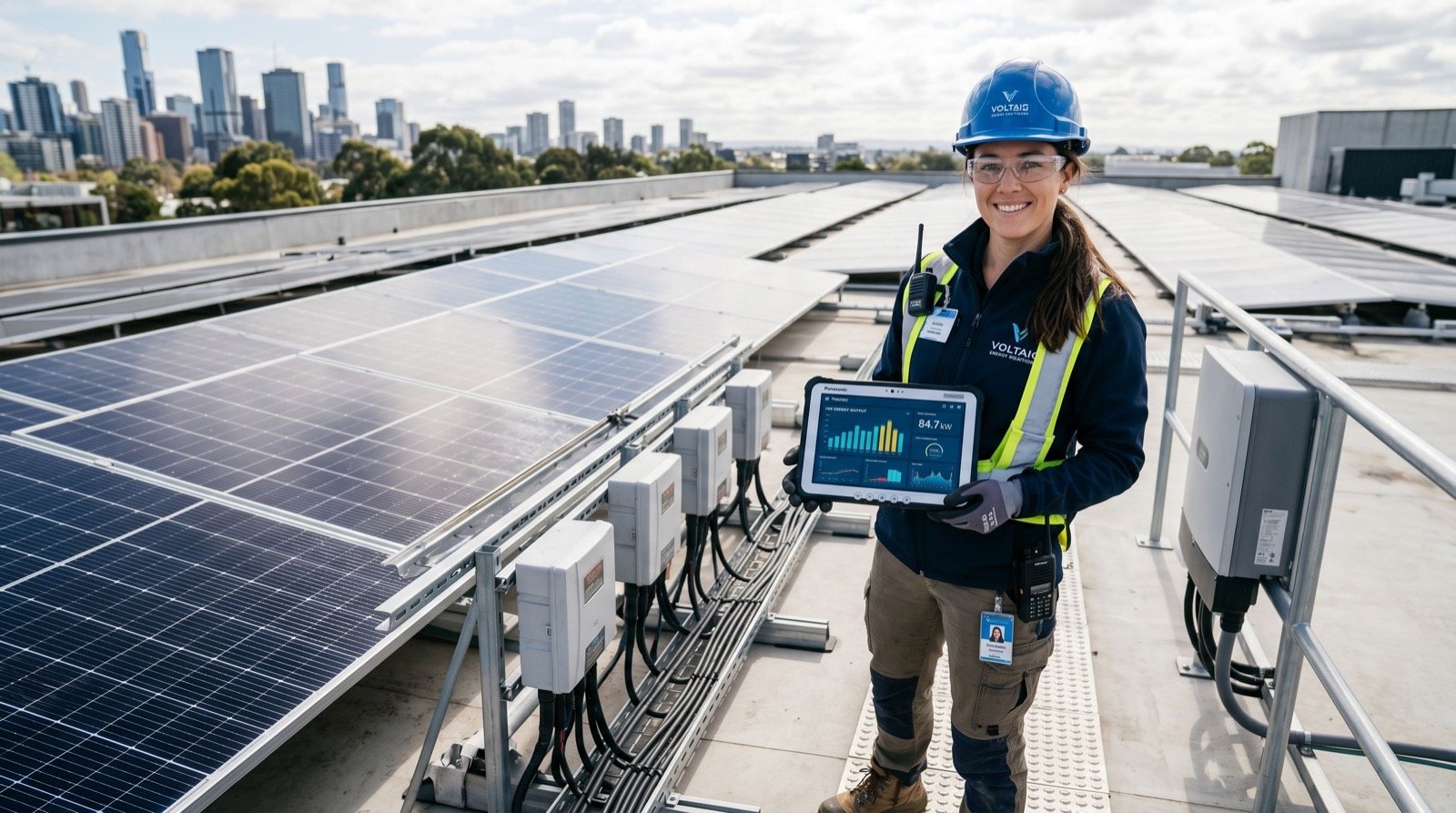
Panels get the attention, but solar accessories in Pakistan decide whether a system runs safely for decades or fails in its third summer. Cables, breakers, mounts and monitors look minor on a quotation. In reality, they protect your investment from heat, dust, surges and monsoon rain.
This 2026 checklist explains the eight accessories every installation needs, what to look for in each, and where buyers usually cut costs in the wrong place. You can browse a full range of solar accessories in Pakistan once you know your requirements.
Why Accessories Matter More Than You Think
A solar array is only as reliable as its weakest component. Industry guidance such as the IRENA solar overview repeatedly notes that balance-of-system components make up a meaningful share of project cost and performance.
In my experience reviewing failed systems, the fault is rarely the panel. It is usually a poor connector, undersized cable or missing surge protector. These are cheap parts with expensive consequences.
The 8 Essential Solar Accessories
1. DC solar cables
Use UV-resistant, double-insulated copper cable rated for solar use. Pakistani summer rooftops can exceed 60 degrees Celsius, which destroys ordinary PVC wiring. Size the cable so voltage drop stays below roughly 2 to 3 percent.
2. MC4 connectors
Loose or mismatched connectors cause arcing and fires. Always use matching connectors from a single brand, and crimp them with the correct tool.
3. Mounting structures
Galvanised steel or anodised aluminium rails resist corrosion. Coastal Karachi installations especially benefit from marine-grade finishes and stainless fasteners.
4. DC and AC breakers
Dedicated DC breakers handle direct current safely. Standard AC breakers can fail to extinguish a DC arc, so never substitute them.
5. Surge protection devices (SPD)
Install SPDs on both DC and AC sides. Pakistan’s grid voltage swings and lightning storms make this a non-negotiable item.
6. Earthing kit
Proper earth rods, copper strips and bonding keep people safe and give surges a path to ground. Test the earth resistance after installation.
7. Battery accessories
Hybrid systems need battery cables, fuses, busbars and sometimes a battery rack. Match the fuse rating to the battery bank, not to a guess.
8. Monitoring devices
A Wi-Fi dongle or smart meter lets you track daily output. A sudden drop is the earliest warning of shading, dirt or a failing string.
Quick Comparison Table
| Accessory | What to check | Risk if skipped |
|---|---|---|
| DC cable | UV rating, copper core, correct size | Overheating, power loss |
| MC4 connectors | Same brand, IP67 rating | Arcing, fire |
| Mounting rails | Galvanised or aluminium, wind rating | Rust, panel movement |
| SPD | DC and AC type, correct voltage | Inverter damage |
| Earthing | Low resistance, copper bonding | Shock hazard |
| Monitoring | App support, compatibility | Hidden faults |
How to Choose the Right Accessories?
Follow a simple process. It prevents overspending and protects warranties.
- Start with your inverter and panel datasheets for voltage and current limits.
- Calculate cable length and acceptable voltage drop.
- Pick components rated above your maximum system values, with a safety margin.
- Check certifications such as IEC or TUV marks on key parts.
- Buy from a supplier who provides invoices and warranty support.
A practical tip: photograph every junction before closing conduit boxes. Those photos save hours when you troubleshoot later or make a warranty claim.
Accessories for Different System Types
An on-grid system needs fewer parts, mainly cables, breakers, SPDs and a meter. Hybrid and off-grid systems add battery protection, charge controllers and larger earthing. Agricultural pumping setups add pump controllers and dry-run protection.
Whatever you choose, make sure every item is compatible. If you want to see what is available beyond accessories, the wider catalogue of solar products in Pakistan covers panels, inverters and batteries too.
Maintenance and Replacement Schedule
- Monthly: clean panels and check monitoring for output drops.
- Every six months: inspect connectors, cable insulation and mounting bolts.
- Annually: test earthing resistance and SPD status indicators.
- Every 3 to 5 years: inspect battery terminals and replace worn fuses.
Remember that quality tradespeople matter as much as parts. Working with trusted professionals who document their work is the surest way to keep everything compliant and safe.
Common Buying Mistakes With Solar Accessories
Buyers often focus on the headline price of panels and then treat accessories as an afterthought. That is where problems begin. A few repeat mistakes are worth avoiding.
- Mixing connector brands, which leads to poor contact and heat build-up.
- Using undersized cable to save money, which wastes energy every single day.
- Installing cables in open sunlight without conduit or clips.
- Forgetting labels on breakers, which slows down emergency shutdowns.
- Buying unrated fuses for battery banks, which is a serious fire risk.
A Realistic Budget for Accessories
As a rough planning rule, balance-of-system parts form a meaningful share of a typical residential project. The exact share depends on the roof layout, cable run lengths and whether you add batteries. Ask for these items to be priced separately so you can see exactly where your money goes.
A second practical tip: keep a small spares kit on site. A few extra connectors, a spare fuse and a short length of cable let a technician fix minor faults in minutes rather than days. This is especially useful in cities where delivery of specialised parts can take time.
Storage and Handling Tips
Accessories can be damaged before they ever reach your roof. Store cables away from direct sun and sharp edges, keep connectors sealed in their bags until use, and never leave breakers or fuses exposed to moisture. Check every delivery against the invoice on arrival, and photograph any damaged packaging. These small habits prevent hidden defects that show up months later as mysterious faults. Good handling is free, and it protects both your warranty and your safety.
Frequently Asked Questions
Which solar accessories are mandatory?
Solar cable, connectors, mounting structure, breakers, surge protection and earthing are essential. Monitoring is strongly recommended but technically optional.
Can I use normal electrical wire for solar?
No. Standard wire lacks UV and heat resistance. Use dedicated solar PV cable on the DC side to avoid insulation failure.
How long do solar accessories last?
Quality cables and mounts last 20 to 25 years. Connectors, fuses and SPDs may need inspection or replacement sooner.
Do cheap accessories void warranties?
They can. Some inverter and panel makers require approved components and proper installation, so keep documents and check terms before buying.
Conclusion
The right solar accessories in Pakistan protect your panels, your family and your savings. Choose rated, certified parts, size cables correctly and plan simple maintenance. Make your shopping list from this guide, compare suppliers and invest in quality where failure is costly.