Frozen Storage in Riyadh: What Every Retailer Should Know in 2026
Finding reliable frozen storage in Riyadh has become a make-or-break decision for retailers and brands operating in Saudi Arabia’s fast-growing cold chain market. As demand for frozen food, pharmaceuticals, and temperature-sensitive goods keeps climbing through 2026, businesses that cut corners on storage infrastructure quickly discover the cost of spoiled inventory, failed inspections, and unhappy customers. Choosing the right partner for frozen storage in Riyadh is no longer a back-office logistics detail — it is a core part of protecting product quality and brand reputation.
This guide breaks down what actually matters when evaluating a frozen storage provider, the standards your facility should meet, and how to compare costs without sacrificing reliability.
Why Frozen Storage in Riyadh Matters More Than Ever
Riyadh sits at the center of Saudi Arabia’s distribution network, making it the natural hub for frozen goods moving between ports, airports, and retail outlets across the Kingdom. A single break in the cold chain — even a few hours above the safe threshold — can ruin an entire pallet of seafood, dairy, or meat products.
Retailers who outsource to a specialized facility typically see fewer spoilage incidents and faster turnaround during peak demand periods like Ramadan and summer holidays, when frozen food consumption spikes sharply across Saudi households.
The Growing Pressure on Local Supply Chains
Population growth in Riyadh, combined with the expansion of supermarket chains and quick-commerce grocery apps, has pushed warehouse occupancy rates higher every year. Facilities that can scale capacity on short notice are increasingly valuable to brands that can’t predict demand spikes months in advance.
Import-heavy categories feel this pressure especially hard. Frozen seafood and meat shipments arriving through Jeddah’s ports often need temporary staging in Riyadh before onward distribution, and any delay at the warehouse door can trigger a cascade of late deliveries across an entire regional route. Brands that plan their storage capacity around realistic peak-season forecasts, rather than average monthly volume, avoid the scramble that hits competitors every Ramadan and summer season.
Key Features of a Reliable Frozen Storage Facility
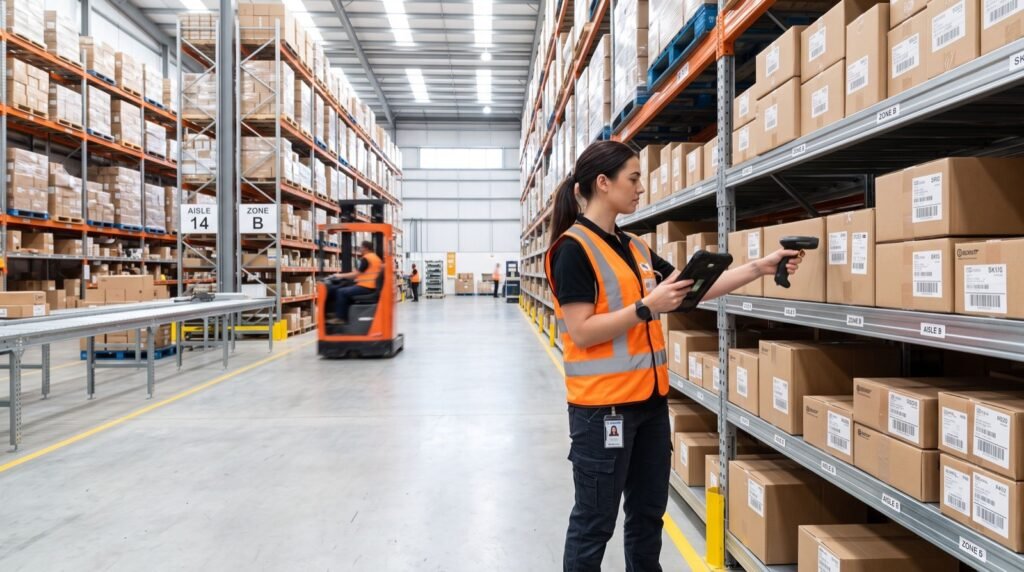
Not every warehouse labeled “cold storage” is built to the same standard. Before signing a contract, inspect the facility — in person if possible — and confirm the following.
- Continuous temperature monitoring with logged, auditable records
- Backup generators and redundant refrigeration units
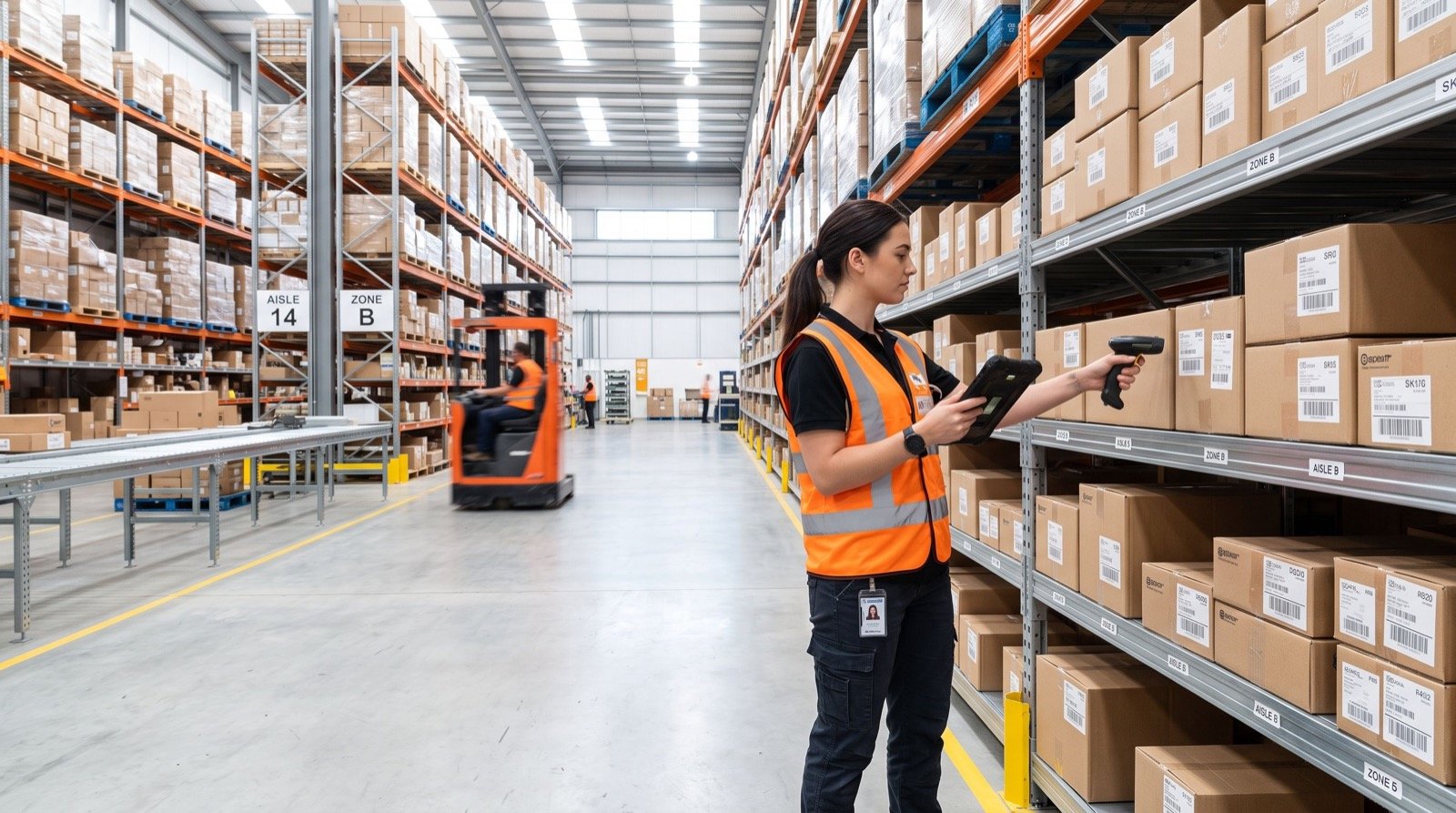
- Pallet racking designed for frozen-rated forklifts and narrow aisles
- Clear separation between frozen, chilled, and ambient zones
- Fast-loading dock doors with air curtains to limit temperature loss
Technology and Visibility
Modern facilities now offer client dashboards showing real-time temperature and inventory data. This transparency matters for brands that need to prove compliance to retail partners or regulators, and it saves hours of manual reconciliation every month.
Temperature Zones and Compliance Standards
Frozen storage is not a single category — different products require different thermal ranges, and mixing them incorrectly leads to quality loss. The table below outlines the general zones used across most professional facilities in the region.
| Storage Type | Typical Temperature Range | Common Products |
|---|---|---|
| Deep Frozen | -25°C to -18°C | Seafood, ice cream, frozen meats |
| Standard Frozen | -18°C to -12°C | Poultry, bakery items, frozen vegetables |
| Chilled | 0°C to 4°C | Dairy, fresh produce, beverages |
| Ambient | 15°C to 25°C | Dry goods, packaged snacks, cosmetics |
Brands that need both frozen and non-perishable storage often split inventory across zones within the same provider. For dry or shelf-stable goods that don’t need refrigeration, pairing frozen capacity with Ambient Storage in Saudi Arabia under one contract simplifies logistics considerably and reduces the number of vendors a procurement team has to manage.
Saudi Arabia’s food safety framework, overseen by the Saudi Food and Drug Authority, sets minimum requirements for cold chain handling that every serious facility should meet or exceed. You can review the current guidance directly on the Saudi Food and Drug Authority website before finalizing any storage agreement.
How to Choose Between In-House and Third-Party Frozen Storage
Building an in-house freezer facility demands heavy upfront capital, ongoing maintenance, and specialized staff. Most retailers — especially those scaling quickly — find it far more efficient to lease space from an established operator that already has the infrastructure, compliance history, and redundancy built in.
Questions to Ask Before Signing
- What happens during a power outage or equipment failure?
- How quickly can capacity scale up during seasonal peaks?
- Is pallet-level or case-level picking available?
- What reporting do you provide for audits and traceability?
Working with Frozen Storage in Riyadh specialists means you get purpose-built facilities without the capital outlay, and you can renegotiate space as your business grows or contracts seasonally.
Cost Factors for Frozen Storage in Riyadh
Pricing varies based on pallet volume, duration of storage, handling frequency, and whether you need value-added services like repackaging or labeling. Short-term, high-turnover storage usually costs more per pallet than long-term contracts, but it offers flexibility that seasonal businesses need.
A practical tip from experience working with retail clients: negotiate a tiered rate structure rather than a flat monthly fee. Tiered pricing rewards you for consistent volume while still giving flexibility during slow months, and it avoids the trap of paying for capacity you aren’t using.
It also pays to ask providers how they bill for in-and-out handling versus pure storage, since these two line items are frequently quoted separately and can quietly double a monthly invoice if overlooked during negotiation. Request a sample invoice from a comparable client before signing anything long-term.
For businesses comparing vendors, it also helps to read independent reviews and case studies from quality service providers that have published transparent breakdowns of their own vendor selection process — the evaluation criteria often translate well across industries.
Frequently Asked Questions
What temperature is used for frozen storage in Riyadh facilities?
Most professional frozen storage facilities in Riyadh maintain temperatures between -25°C and -18°C for deep-frozen goods, with slightly warmer zones reserved for standard frozen inventory. Exact requirements depend on the product category and applicable food safety regulations.
How much does frozen storage cost in Riyadh?
Costs depend on pallet volume, storage duration, and handling needs, but tiered contracts typically offer the best value for brands with fluctuating seasonal demand. Request a detailed quote based on your specific SKU mix before comparing providers.
Can small brands rent frozen storage space without long-term contracts?
Yes. Many Riyadh-based providers now offer flexible, short-term leases designed specifically for growing brands that don’t yet need full-pallet, year-round commitments.
Is frozen storage different from standard cold storage?
Yes — frozen storage keeps products well below freezing (typically -18°C or colder), while cold or chilled storage sits closer to 0–4°C. Mixing the two incorrectly accelerates spoilage, so facilities maintain strictly separated zones.
Final Thoughts
Choosing the right partner for frozen storage in Riyadh protects your inventory, your margins, and your customers’ trust. As 2026 brings even more growth to Saudi Arabia’s retail and food distribution sectors, now is the time to audit your current storage setup and confirm it can scale with you. Reach out to a specialized provider today and get a tailored quote before the next seasonal demand spike hits.